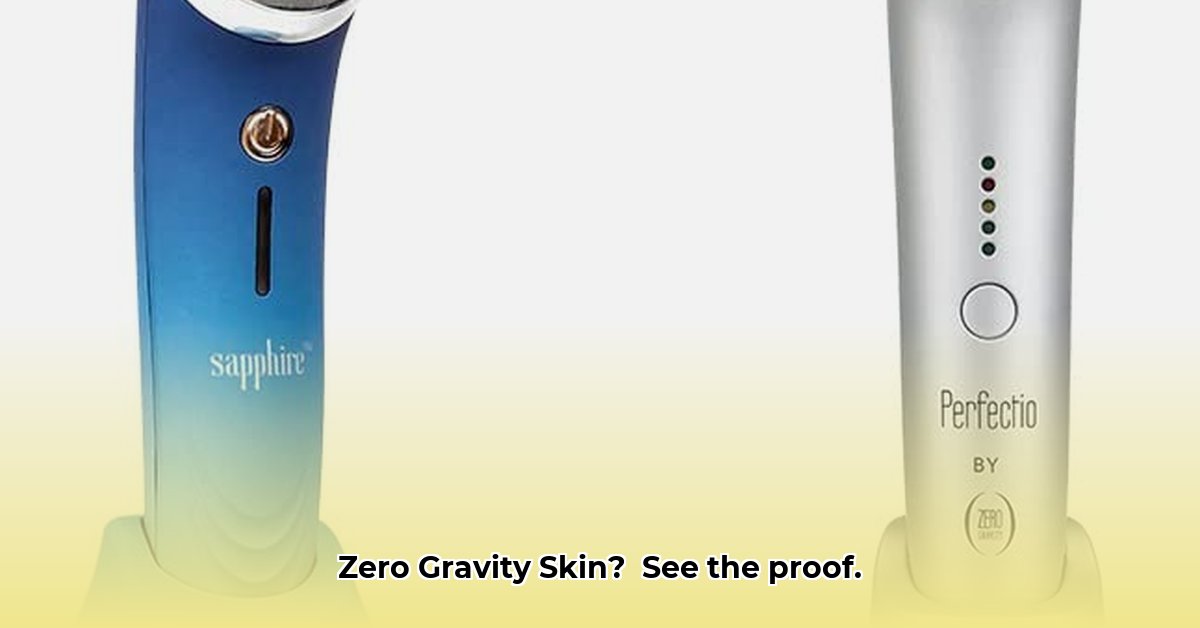
Sapphire and Sapphire X: Blue Light Therapy for Acne
Want clearer skin? Many are turning to blue light therapy for acne treatment, with the Sapphire and Sapphire X devices gaining popularity. This review analyzes their efficacy based on available clinical data and user feedback, providing a balanced assessment to help you make an informed decision. We'll examine the science behind the devices, compare their features, and address the limitations of current research.
Understanding the Science Behind Sapphire and Sapphire X
Both devices employ blue light therapy, specifically a 415nm wavelength, targeting Propionibacterium acnes (P. acnes), a bacteria frequently associated with acne. The devices also utilize gentle heat, aiming to reduce inflammation. This combination intends to reduce acne blemishes, redness, and overall improve skin tone. The Sapphire X offers a significant upgrade: approximately 50% more light energy than the original Sapphire, potentially leading to faster outcomes. However, further research is needed to solidify this claim. Does this increased light intensity truly translate to superior results? Studies are underway to answer this key question.
Clinical Trial Data: A Cautious Optimism
Numerous positive user reviews exist, reporting improvements in blemishes and skin tone. However, it's crucial to remember the inherent limitations of self-reported data; such feedback might be skewed toward positive experiences. Robust scientific evidence remains necessary for definitive conclusions about efficacy.
The Sapphire X underwent an independent clinical trial, yielding promising initial results demonstrating substantial acne reduction. However, the complete methodology remains undisclosed, including critical details such as sample size, participant selection criteria, and blinding procedures. Without this complete data transparency, it is difficult to assess the study's overall validity and reliability. This lack of transparency is a significant limitation of the current available data, and highlights the need for more comprehensive research.
Addressing the Gaps in the Evidence
Several critical questions remain unanswered regarding both devices. The precise sample size of the studies is needed to evaluate the statistical power of the results. Information on study participant selection and the randomization method is crucial for assessing the validity of the comparison. The use of control groups (receiving a placebo or alternative treatment) would help establish true efficacy. Finally, the assessment methodology’s blinding status (whether evaluators were unaware of the treatment received) is essential to eliminate potential bias. This lack of complete transparency necessitates a cautious interpretation of the existing data.
The Future of Sapphire Zero Gravity Devices: A Call for Transparency
To enhance confidence in the devices' efficacy, Zero Gravity Skin should conduct more comprehensive and transparent clinical trials. These studies must adhere to rigorous scientific guidelines, with detailed methodologies publicly available for scrutiny and replication by other researchers. This increased transparency is crucial for building trust and establishing the reliability of the claims surrounding these devices.
Sapphire vs. Sapphire X: A Feature Comparison
| Feature | Sapphire Zero Gravity | Sapphire X |
|---|---|---|
| Light Exposure | Standard | Significantly Higher (approx. 50%) |
| User Reviews | Mostly Positive | Mostly Positive |
| Clinical Data | Limited | Available (but incomplete) |
| FDA Classification | Class II Medical Device | Class II Medical Device |
Choosing Between Sapphire and Sapphire X: A Practical Guide
How to choose between Sapphire and Sapphire X blue light acne devices? Consider these points:
- Acne Severity: For more severe acne, the higher intensity of Sapphire X might offer faster results.
- Budget: Sapphire presents a more budget-friendly option.
- Time Commitment: Sapphire X potentially offers quicker improvements, while Sapphire might require a more extended treatment period.
However, always consult a dermatologist before initiating any new skincare regimen. They can assess your skin type and condition, recommend the most suitable treatment approach, and discuss potential risks and benefits.
Disclaimer:
This review is based on the currently available information. The absence of complete clinical data necessitates a cautious approach to interpreting the results. Individual results may vary.